
Tears for Fears might seem an almost inevitable choice for a film about prisoners discovering gardening. Yet Greenfingers reaches well beyond the agricultural promise of Sowing the Seeds of Love. Its music brings together Stereophonics, U2, Sting and Bruce Springsteen, alongside seasonal songs, classical recordings and an original score by Guy Dagul.
Those contributions do different jobs. A familiar voice can bring associations into a scene before a character speaks. An underscore can work more quietly, shaping a moment without asking the audience to identify a song. The story behind the music is partly about that balance, and partly about how a modest film gained access to some very recognisable artists.
A composer who understood gardens
Guy Dagul composed the original score. According to the film’s production notes, George Fenton recommended him, and his enthusiasm for gardening helped secure the job. Trudie Styler and Sting made their Steerpike recording studio in Wiltshire available to him. Joel Hershman praised his sensitivity to the mood of individual scenes.
Dagul’s own account of his career gives that approach a useful background. In an interview with Pennyblackmusic, he described moving from classical performance towards improvisation and session work, then learning film music through Fenton and Trevor Jones. He also spoke about the garden he had created at his Oxfordshire home.
His description of good scoring was modest: music should remain out of the way while leaving something memorable behind. That is a useful way into this film’s musical construction. The conspicuous songs are only one part of what a composer and music team contribute; the less readily named passages matter too.
How the famous songs became possible
The production notes credit Styler’s musical connections with helping the film obtain its songs. She recalled favourable arrangements involving Sting, Bono, Elton John and Springsteen, while both she and Sting suggested music to Hershman.
That explains access rather than authorship. The presence of Sting’s name in this story does not make him the composer of Dagul’s score. Nor does a recording’s appearance in the film mean it was written especially for the characters.
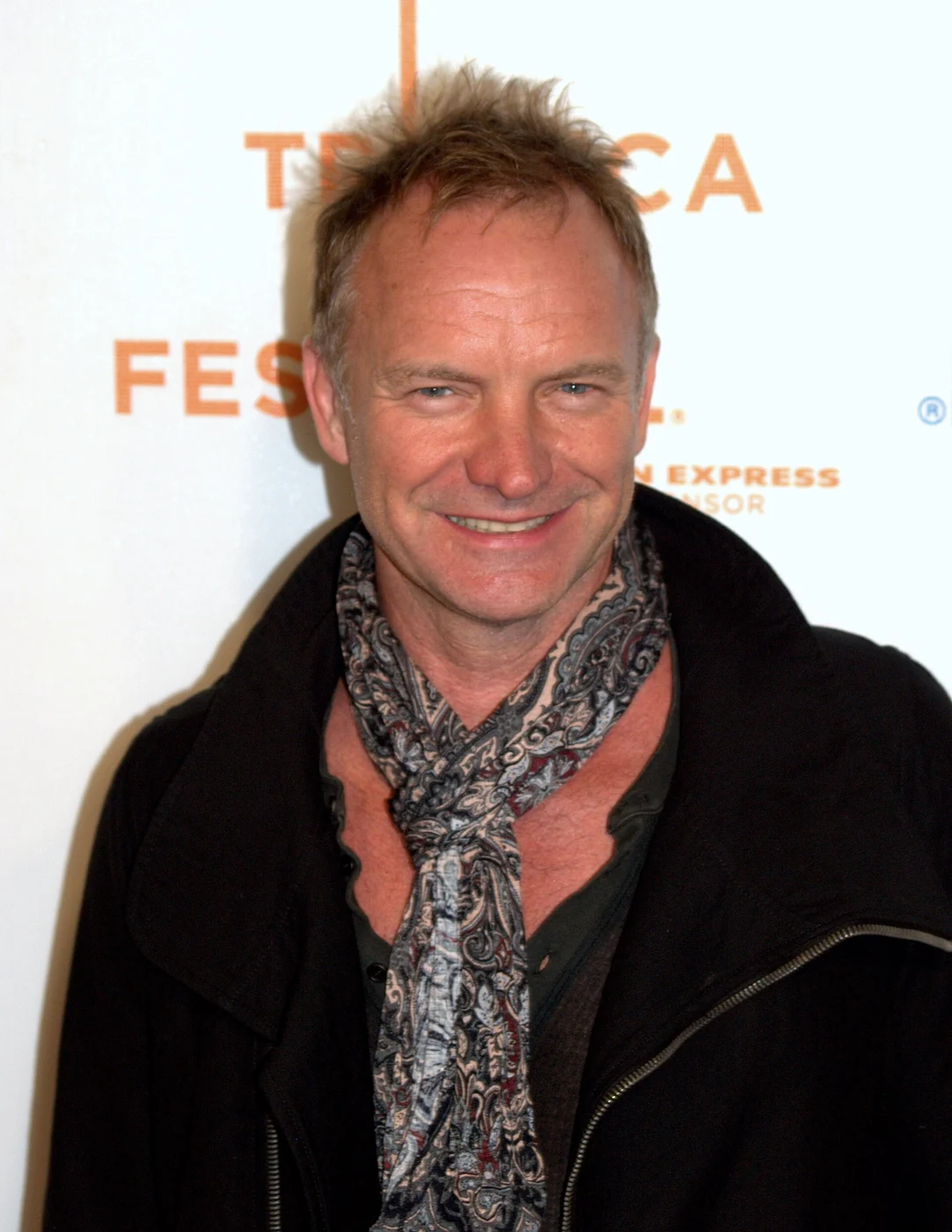
The songs and recordings
The following titles appear in the published soundtrack credits. This is a guide to identifying the recordings, rather than the track order of a soundtrack album.
| Title | Credited performer |
|---|---|
| I Wouldn’t Believe Your Radio | Stereophonics |
| Christmas and You | Dave King |
| Run Rudolph Run | Capricorn |
| Sowing the Seeds of Love | Tears for Fears |
| Twenty Five to Midnight | Sting |
| All I Want Is You | U2 |
| If I Should Fall Behind | Bruce Springsteen |
| La Réjouissance | Capella Istropolitana / Bohdan Warchal |
| Radetzky March | The Regimental Band of the Coldstream Guards |
| The Power | Elton John and Little Richard |
The performer column is useful when looking for a particular recording. A familiar song title can lead to many covers. The classical pieces also have identifiable performers: recognising a composition does not by itself identify the version used in a film.
Stereophonics and the beginning of the journey
I Wouldn’t Believe Your Radio accompanies the opening stretch of the story. It also appears on Stereophonics’ Performance and Cocktails, released in 1999, placing it close to the period in which Greenfingers was made.
Its position offers a useful listening contrast with the garden imagery that follows. The film begins with an established rock song rather than announcing its whole emotional argument through a delicate pastoral theme. Gardening may become Colin’s unexpected interest, but he does not enter the story as somebody already at peace with his surroundings.

Seeds, affection and the patience to stay
The gardening connection in Sowing the Seeds of Love is immediately legible. The song accompanies the early development of the prisoners’ garden. Its title gives the practical activity an emotional echo: care for something outside yourself, and relationships may begin to change as well.
That is an interpretation of its placement, rather than a claim that Tears for Fears wrote a song about prison gardening. Existing music can acquire a new association when a film places it beside particular people and actions.
U2’s All I Want Is You brings a more direct romantic emphasis to Colin’s connection with Primrose. The song was already part of Rattle and Hum, and became a single in June 1989. U2’s own account traces its inspiration to a coda The Edge added to With or Without You. It arrived in Greenfingers with a history of its own.
Springsteen’s If I Should Fall Behind, from his 1992 album Lucky Town, offers another kind of attachment. Its central idea is companionship that makes room for another person’s pace. Within this story, that idea can extend beyond romance to friendship and the patience needed when somebody struggles to move forward.
The contrast is worth listening for: wanting another person close and being willing to wait for them are related feelings, but they ask different things of us. The film finds room for both without needing its characters to explain every emotion in dialogue.
Is there a Greenfingers soundtrack album?
A list of music used in a film is not evidence that the same collection was released as an album. SoundtrackCollector records Dagul as the composer but lists no record-label release for Greenfingers. That is a gap in the catalogue, rather than proof that no release has ever existed.
The research for this article did not establish a commercial soundtrack edition with a verified label, catalogue number and track listing. A playlist assembled from the songs above can help rediscover the music, but it should not be presented as an official album or as the complete score.
There are also viewer reports of music changing between versions of the film. Without comparing identified editions and their end credits, it would be premature to give a definitive replacement list. The selection here follows the published soundtrack-credit list; it is not a guarantee that every release contains precisely the same recordings.
For a return viewing, try listening for the handover between a recognisable song and music that stays beneath the action. The famous names are easy to remember. Dagul’s quieter task was to help the story continue when those voices fell silent.