A packet of seeds gives Colin Briggs something to care for in Greenfingers. The dialogue follows that change: advice from his cellmate Fergus, jokes from celebrity gardener Georgina Woodhouse, and a farewell whose meaning depends on the colour of a rose.
These seven short quotations explore the film’s humour, relationships and ideas about starting again. The selection draws on themes discussed in reviews, with the surrounding scenes used to explain each line. It is an editorial selection rather than a ranking of the most frequently quoted dialogue.
Spoilers ahead: the explanations discuss Colin’s relationship with Primrose, his return to prison and the flower-show storyline.
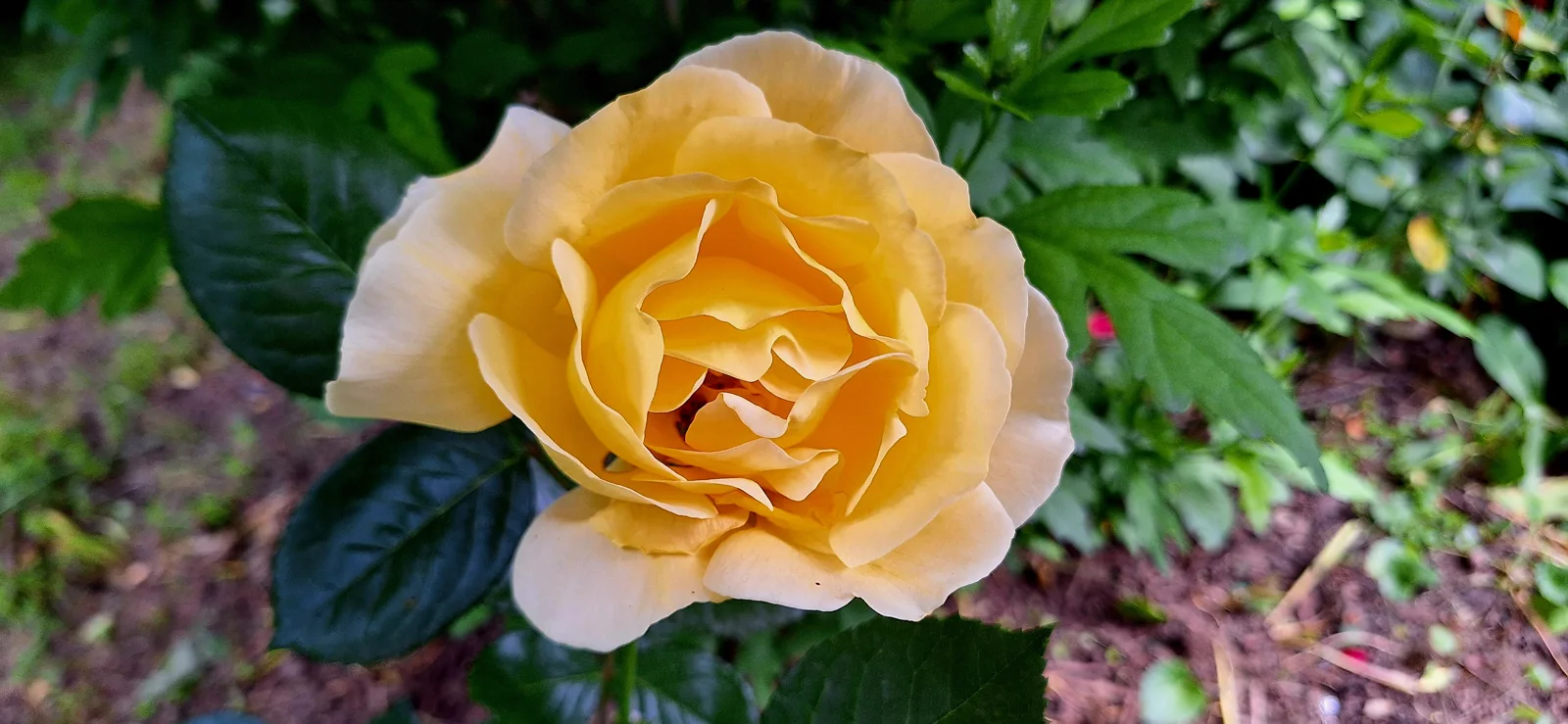
1. Yellow roses and the end of an affair
I hope this is the last time anybody ever sends you yellow roses.
Colin Briggs — approximately 1:03:38
Colin’s words to Primrose sound almost tender until you remember the earlier conversation about flowers. At around 45:56, the dialogue establishes that a yellow rose marks the end of an affair. His later message uses that shared knowledge to explain a painful decision without spelling everything out again.
The line accompanies his departure from their life together and his decision to return to the prison gardening project. He hopes she will never receive another farewell like this one, even as he is delivering it himself. That contradiction gives the sentence its sting: he wishes her happiness while making a choice that hurts her.
It also rewards attention. An apparently incidental lesson about rose colours becomes part of the couple’s private vocabulary. By the time Colin sends his message, a flower can say something that would otherwise need a difficult conversation.
Do yellow roses always mean goodbye?
No. In present-day British floristry, yellow roses commonly stand for friendship. A yellow bouquet should not automatically be read as a breakup message.
The older language of flowers was more complicated than a universal dictionary. Different books assigned different meanings to the same plants, and the way a flower was presented could alter its message.
For this scene, the decisive clue is inside the film: the characters have already explained the meaning they attach to yellow roses. Colin is drawing on a conversation Primrose can recognise.
2. Georgina’s plants do not answer back
That’s what I like about plants. They don’t answer back.
Georgina Woodhouse — approximately 1:00:42
Georgina’s joke comes after Primrose challenges her mother’s attitude towards Colin. Publicly, Georgina supports the prisoners’ gardening achievements. Privately, the prospect of her daughter being involved with a man who has served a life sentence makes her much less accepting.
Primrose exposes that inconsistency. Georgina retreats into a joke about the advantages of plants: unlike her daughter, they cannot question her judgement. The humour grows out of a recognisable relationship between an opinionated parent and an adult child demanding to make her own decisions.
Charles Taylor ends his Salon review by recalling Georgina’s observation, in slightly different wording. It is a compact expression of her need for control, and of why gardening can seem easier than dealing with people.
3. Fergus offers Colin a different identity
We’ve been prisoners long enough. Let’s be gardeners.
Fergus Wilks — approximately 0:20:49–0:20:56
The gardening scheme initially meets resistance. The men doubt that the work suits them, and Colin questions whether he and Fergus can really call themselves gardeners. Fergus answers by offering a name for what they could become.
The change is small enough to be believable within the scene. They can begin by looking after a patch of ground, learning a skill and becoming responsible for something that depends on them. Fergus gives Colin a reason to try before he has any confidence that he will succeed.
Gardening gives Colin a measure of freedom within the limits of prison life. He can decide what to plant, pay attention to its needs and see the results of his care. Fergus’s invitation makes that possibility sound close enough to reach.
4. Misfortune, anger and the surviving violets
Make friends with your misfortunes, otherwise you’ll always be angry.
Fergus Wilks — approximately 0:18:16
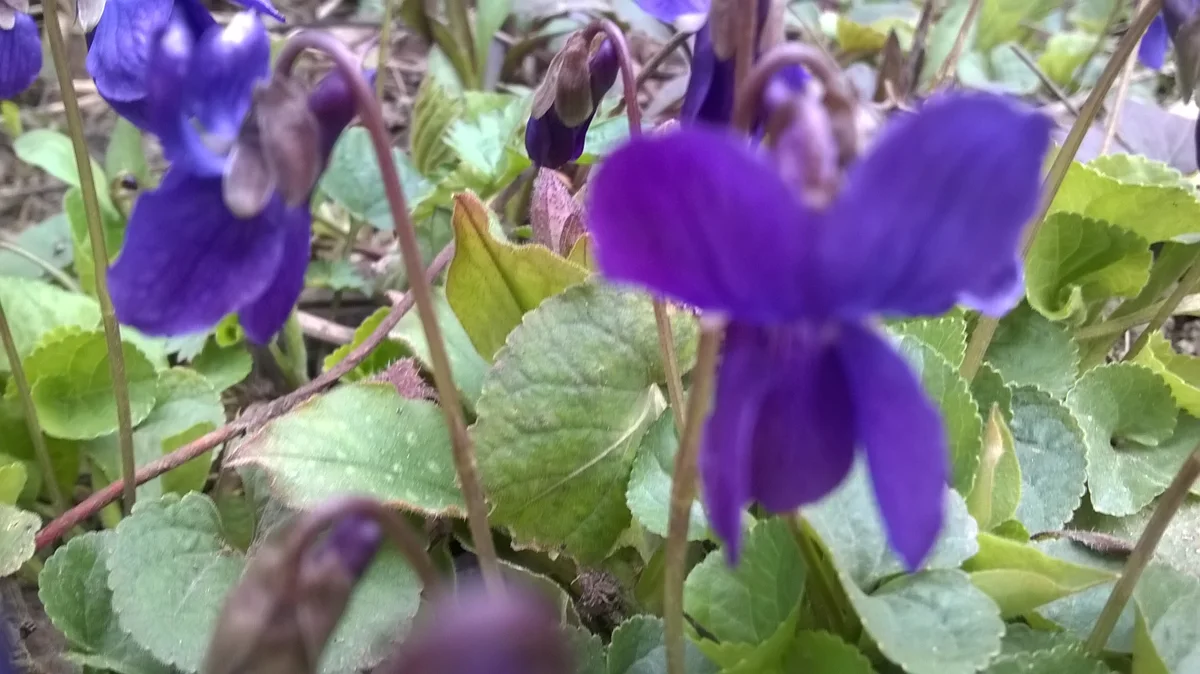
Fergus offers this advice after the violets survive conditions in which Colin thought they had little chance. The flowers provide a visible example of something growing despite its surroundings. Fergus turns that observation into advice about the bitterness Colin carries.
Read in context, the line asks Colin to find a way to live with his circumstances. His anger has become a habit; caring for the flowers gives him somewhere else to put his attention. The advice matters because it comes from someone sharing the confinement, rather than from a visitor about to go home.
David Kelly gives Fergus’s advice a mixture of humour and sadness. He can sound like a dispenser of simple wisdom, yet his own situation gives the words weight. His encouragement is also an act of friendship: he wants Colin to find a future worth caring about.
5. From adversity to allies
I’ve had my fill of adversity, now I’m looking for allies!
Colin Briggs — approximately 1:11:20
Later, Colin turns Fergus’s advice into a call for help. He has just recalled the older man’s maxim about adversity being an ally. His reply keeps the wordplay but changes the emphasis: enduring hardship has its limits, and now he needs people willing to stand beside him.
The line marks a change in how he addresses the other prisoners. Earlier he doubts whether they belong in a garden at all. Here he asks them to join him in taking their work to Hampton Court. The garden has become a shared undertaking, and Colin is prepared to lead it.
It also gives the film’s hopeful message a sharper edge. His frustration remains audible. The joke works because he is tired of having to find a lesson in every setback.
6. What does winning mean?
That all depends on your definition of winning, doesn’t it?
Governor Hodge — approximately 1:06:28
Colin wants a garden that can win at Hampton Court. Hodge is also thinking about the future of the open-prison programme and the other men who might benefit from it. Their disagreement over the proposed design brings those priorities into conflict.
For Colin, a medal would offer public recognition of something he can do well. For Hodge, the programme’s survival could matter more than the competition result. The question invites us to see both stakes, including the uncomfortable possibility that institutional needs will restrict the prisoners’ creative choices.
That tension is what makes the line worth keeping with its scene attached. Removed from the argument, it becomes a general slogan about success. In the film, it is a challenge from a governor to a prisoner whose ambitions he has helped awaken.
7. Beauty in unlikely places
…and it’s all about finding beauty in the most unlikely of places.
Colin Briggs — approximately 1:13:50
Asked to explain the garden at Hampton Court, Colin supplies a description that also describes the film. The work has grown out of a prison and from people whom others are inclined to judge by their convictions. Creating the garden gives them an opportunity to show another part of themselves.
The sentence carries a personal dedication, too: immediately afterwards, Colin names Fergus. The public explanation of the garden becomes an acknowledgement of the man who gave him the seeds and encouraged him to keep going.
Time Out found the film’s redemption symbolism too insistently explained. That criticism helps locate the appeal of the line as well: it states the connection between the garden and the gardeners with very little ambiguity. Whether that feels moving or overemphatic depends on the viewer.
A note on the quotations
The wording and approximate scene times above follow an English subtitle track. Different releases may vary, and subtitle text can differ from the spoken dialogue. The opening ellipsis in the final quotation marks an excerpt from a longer answer.
The explanations are our readings of the scenes, informed by reviews of the film. They do not imply that a reviewer selected each quotation. The photographs are illustrations and an actor portrait, rather than film stills.