Colin Briggs has little interest in making friends when a packet of seeds arrives in his life. Growing something seems an unlikely occupation for a withdrawn prisoner. Yet that small gift sets Greenfingers moving: a garden becomes a shared project, strangers become companions, and a man who expects very little begins to imagine a future.
Written and directed by Joel Hershman, the film brings Clive Owen, Helen Mirren and David Kelly together in a comedy-drama about gardening, trust and second chances. Its prison setting supplies an unusual meeting place for a romance, a friendship story and the ambitions of a group of amateur growers.
This guide introduces the story and characters without revealing the ending.
Greenfingers at a glance
| Detail | Information |
|---|---|
| Film | Greenfingers |
| Year | 2000; theatrical releases followed in 2001 |
| Writer and director | Joel Hershman |
| Principal stars | Clive Owen, Helen Mirren, David Kelly and Natasha Little |
| Genre | Comedy-drama with a romantic storyline |
| Countries | United Kingdom and United States |
| Original language | English |
| Running time | Approximately 91 minutes; individual releases vary |
| Original score | Guy Dagul |
| Cinematography | John Daly |
The title uses the British expression “green fingers”: a talent for making plants grow. American viewers may know the same idea as having a green thumb. In the film, discovering that talent gives Colin a reason to take an interest in something outside himself.
What is Greenfingers about?
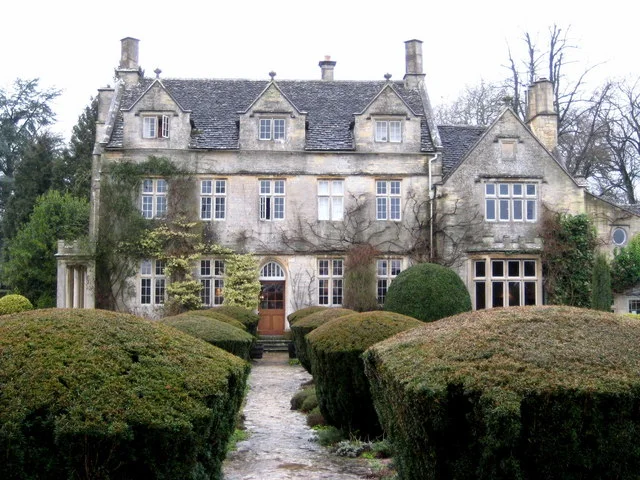
Colin is transferred to HMP Edgefield, an open prison in the Cotswolds. He keeps his distance from the other inmates, including the elderly Fergus Wilks, whose attempts at companionship meet considerable resistance.
Fergus gives him seeds for Christmas. Colin plants them with little enthusiasm, but their unexpected success catches Governor Hodge’s attention. Soon, a group of prisoners has a garden to cultivate and an unfamiliar responsibility to share.
Their work attracts Georgina Woodhouse, a celebrated gardening expert with the confidence to take their efforts seriously. Through Georgina and her daughter Primrose, Colin encounters a world beyond the routines of prison. The possibility of entering the Hampton Court Palace Flower Show gives the gardeners a public test of their abilities.
The appeal of that premise is easy to understand even if you have never grown a flower. A garden requires you to turn up again tomorrow. For these characters, that simple obligation begins to make tomorrow matter.
The cast and the people they play
| Actor | Character |
|---|---|
| Clive Owen | Colin Briggs |
| Helen Mirren | Georgina Woodhouse |
| David Kelly | Fergus Wilks |
| Natasha Little | Primrose Woodhouse |
| Warren Clarke | Governor Hodge |
| Danny Dyer | Tony |
| Adam Fogerty | Raw |
| Paterson Joseph | Jimmy |
| Peter Guinness | Dudley |
| Lucy Punch | Holly |
Colin and Fergus: the friendship at the centre
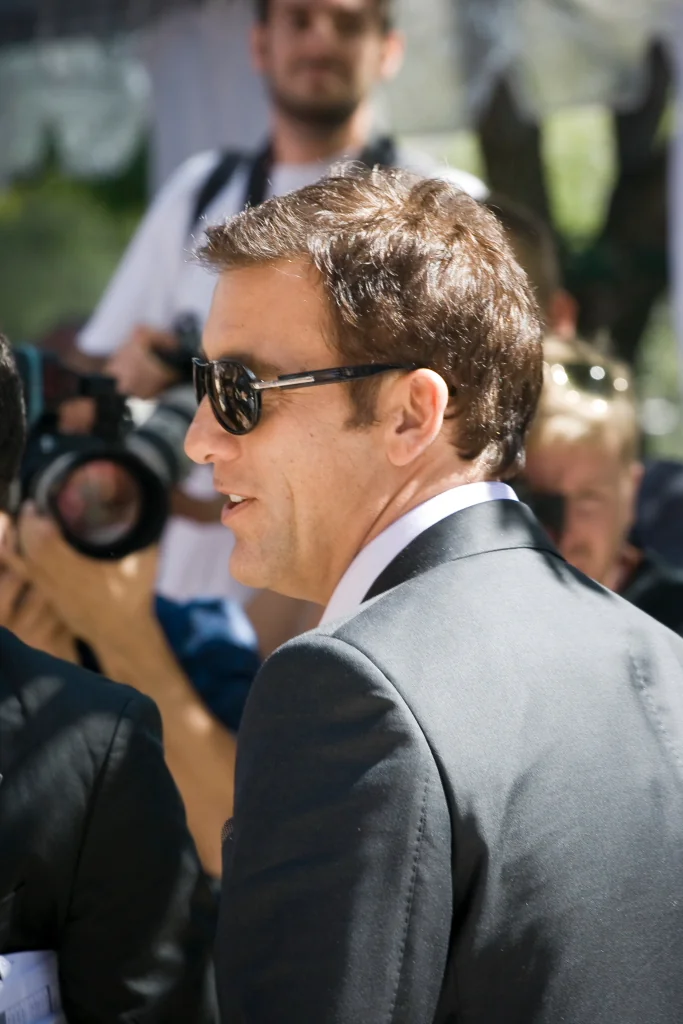
Owen’s Colin is guarded enough to make a friendly approach seem intrusive. Kelly’s Fergus keeps approaching anyway. Their different rhythms give the film much of its warmth: one man is reluctant to become involved, while the other still finds reasons to offer something.
The seeds are a particularly apt beginning for their friendship. They are a gift Colin can dismiss, yet also something he can quietly look after. That makes the change in him visible through an action before it needs to become a declaration.
Our portraits of Clive Owen and David Kelly explore the careers behind those two performances.
Georgina and Primrose: a different world opens up
Mirren’s Georgina brings authority and theatrical confidence into the gardeners’ lives. Her interest gives their work an audience beyond the prison. She is also a source of comedy: the horticultural establishment has its own personalities and social rituals, and she knows how to command a room.
Natasha Little plays her daughter Primrose, whose relationship with Colin brings a more personal uncertainty into his changing life. Being recognised as a capable gardener is one thing; allowing another person to get close asks something else of him.
For more on the actress behind Georgina, read Helen Mirren: A Career of Unexpected Choices.
The gardening team
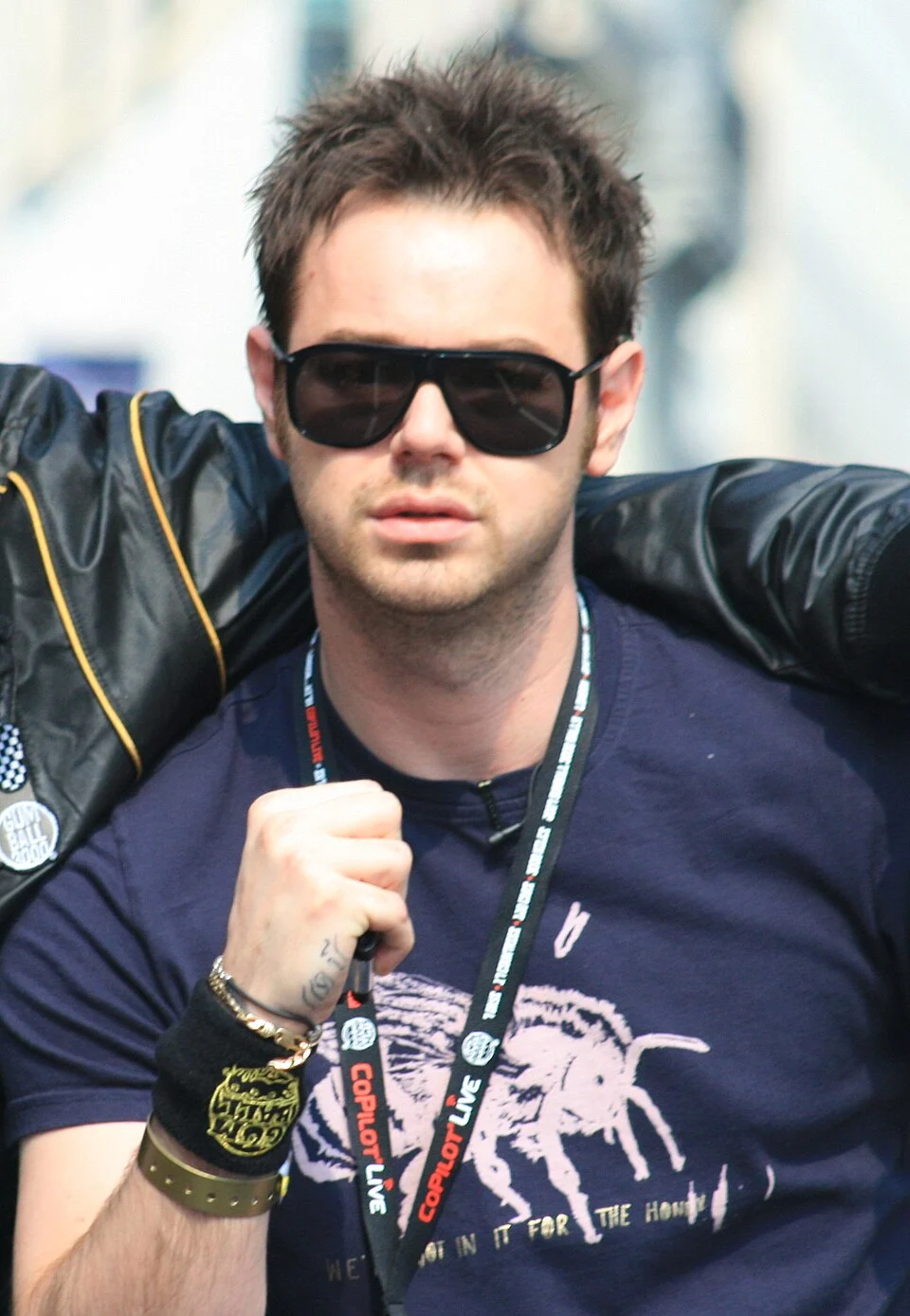
Danny Dyer, Adam Fogerty and Paterson Joseph play Tony, Raw and Jimmy, the other inmates in the gardening group. Warren Clarke’s Governor Hodge provides the institutional support that allows their work to develop.
The group gives the film room for teasing, disagreement and the awkward business of learning to cooperate. Colin’s changing outlook unfolds among people who have to work together, with all the friction that involves.
How much of it really happened?
The inspiration came from the gardeners at HMP Leyhill in Gloucestershire. Paula Deitz wrote about their work in a 1998 New York Times article, which producer Travis Swords read before the project took shape.
Hershman developed a fictional story from that starting point. Edgefield and the central characters belong to the film’s narrative; the history of Leyhill’s gardeners should be followed on its own terms. A real prison gardening programme and a screen romance answer different questions.
The True Story Behind Greenfingers follows the documented gardeners and their achievements. Greenfingers: Fact and Fiction looks more closely at the boundary between the historical inspiration and the screenplay.
The places and sounds of the film
The production shot in England in summer 1999. Surrey and the Cotswolds supplied its settings, and the Yehudi Menuhin School was used for Edgefield. Hampton Court connected the production with the world of a real flower show.
Our filming locations guide brings the confirmed places together, with photographs and Google Maps links. How Greenfingers Was Made follows the practical work behind the film, including the creation of its gardens.
Guy Dagul composed the original score. Songs by artists including U2, Bruce Springsteen and Tears for Fears also appear in the film’s credited music. The Music of Greenfingers separates those songs from the score and explains what can be established about the soundtrack.
Why do some listings say 2000 and others 2001?
The British Council records Greenfingers as a 2000 film, the year it screened at the Toronto International Film Festival. Its American theatrical opening followed in July 2001, with the Los Angeles opening on 27 July. The UK cinema release was on 14 September 2001.
Those different stages of its release explain why a search can return both years. A listing headed Greenfingers (2001) can refer to the same Clive Owen and Helen Mirren film.
The advertised running time is usually 91 minutes. The BBFC records a UK cinema version of 89 minutes 33 seconds and different lengths for home releases. A single runtime therefore does not describe every edition precisely.
What kind of viewing experience should you expect?
Greenfingers favours affectionate ensemble comedy, an accessible romance and the satisfaction of seeing a shared project take shape. Gardening gives the story a physical language: patience, attention and work can be seen in the results.
Its hopeful tone sits alongside an adult setting. The UK release carries a 15 certificate; the US rating is R, for language and some sexuality. The BBFC’s cinema advice identifies strong language and mild sex references.
The film’s optimism is also where reactions divide. Some viewers respond to its warmth and company; others find the emotional route too familiar. Our review guide explores that disagreement in more detail.
To get a feel for the performances, visit Greenfingers Trailers. After watching, the quotes guide revisits the dialogue and its symbolism, while Films Like Greenfingers offers other stories of people finding a way forward together.