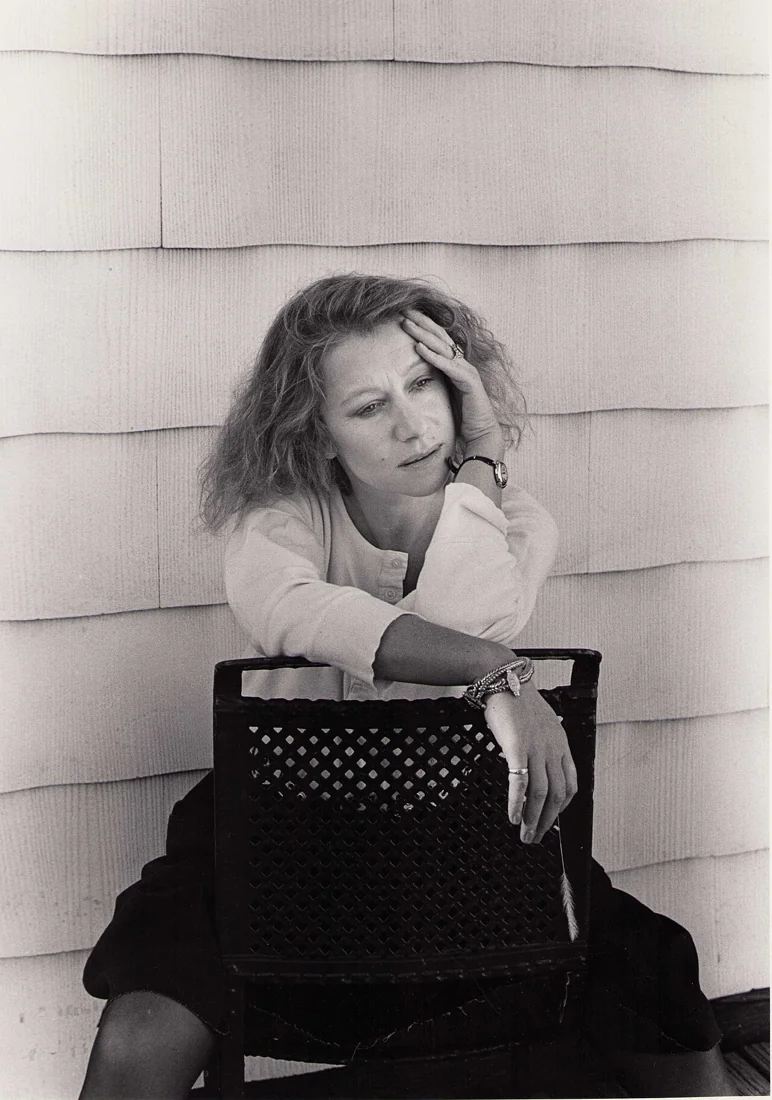
Helen Mirren makes Georgina Woodhouse seem entirely accustomed to being listened to. In Greenfingers, the gardening celebrity can appraise a border, issue instructions and unsettle a room without appearing to doubt her right to do any of it.
Yet a look through Mirren’s career reveals how often she has chosen to become a beginner again. She left familiar theatrical surroundings for experimental work, learned from police officers, studied the difference between a monarch’s public and private voice, and pursued a place in a franchise devoted to fast cars.
The interesting stories sit inside those decisions. They show an actor asking what a part needs, what she can bring to it and what she still has to discover.
Greenfingers: a real gardener playing a fictional expert
Mirren was already a keen gardener when she discussed Greenfingers with Robert Smaus in the Los Angeles Times in 2001.
That personal interest gives Georgina an appealing extra dimension, but it is not the whole explanation for the character. In the film’s production notes, Mirren described Georgina’s gardening as an obsession involving serious physical and mental effort. She imagined a woman whose devotion to that work could take precedence over motherhood.
It is a useful way into the comedy. Georgina’s authority has something behind it: she cares deeply about the thing she is discussing. That care does not automatically make her considerate, especially towards Primrose. Expertise and tact remain separate qualities.
The result is more interesting than a collection of grand hats and imperious gestures. Mirren can let us enjoy Georgina’s certainty while noticing the difficulty of sharing a life with somebody so absorbed in her own pursuits. Her character adds a very different kind of awkwardness to Colin’s quieter struggle to connect.
Leaving the familiar stage behind
Mirren’s early career included Cleopatra with the National Youth Theatre. Classical theatre offered a substantial foundation, but she later chose a very different working environment with Peter Brook.
Speaking to Dave Davies on Fresh Air, she recalled joining Brook for a year and travelling through African villages, performing beyond conventional theatres. She wanted to discover other ways of acting after her more formal Shakespearean work. Looking back, she considered overcoming fear one possible lasting lesson.
There is something valuable in that uncertainty. She did not turn the experience into a neat story about mastering a new technique. Experiment can unsettle what an actor already knows without immediately supplying a replacement.
It also complicates the familiar image of an established classical performer. A strong foundation can make it possible to take a risk, and the risk may involve giving up the surroundings in which one’s strengths are most easily recognised.
Victoria needed a life inside the story
The role of Victoria in The Long Good Friday grew through discussion and rewriting. In an account of the production published by Arrow, director John Mackenzie recalled wanting her to be more than an accessory to Bob Hoskins’ gangster Harold Shand. Mirren shared that ambition, and writer Barrie Keeffe reworked the part.
One particularly revealing recollection concerns vulnerability. Mackenzie remembered Mirren proposing that Victoria should be allowed to show fear. The suggestion gave a forceful character a moment of human exposure.
That is a richer ambition than simply making every woman on screen invulnerable. A character can influence events, understand the danger around her and still be frightened. Allowing all three makes her more substantial.
For someone who first encounters Mirren as Georgina, the connection is worth considering. Both roles gain from the sense that the woman has thoughts and purposes beyond reacting to the leading man. The genres and moods differ, but that independence gives the performance room to work.
Jane Tennison and the lesson about folded arms
For Prime Suspect, Mirren remembered a senior policewoman advising her against folding her arms. The officer saw an open stance as more powerful than a posture that could look defensive.
Mirren related the detail on Fresh Air, where she also explained the script’s central attraction: a complex female character was driving the narrative. Jane Tennison’s profession mattered, but so did her position at the centre of the drama.
The posture story is wonderfully practical. Before a character speaks, the audience is already reading how she stands, occupies space and responds to the people around her. A gesture that seems an obvious shorthand for strength may communicate something less certain.
The lesson is about an actor testing an assumption against somebody else’s experience. It gives us a concrete glimpse of how Mirren could build authority into a performance without announcing it in dialogue. That kind of attention travels well between roles, even when the circumstances change completely.
The Queen: finding a voice without making a caricature
Playing Elizabeth II presented a different problem. The public already knew the voice, and familiarity made an imitation easy to recognise — or easy to get badly wrong.
In a 2006 interview with Blackfilm, Mirren described working with a voice coach who approached speech through psychology. She distinguished the Queen’s formal speaking voice from her more conversational delivery. The task was to find something that sounded natural within a performance, rather than a comic impersonation.
She also studied footage for small clues. A seemingly composed image might contain a slight movement of a finger. Such details could suggest something beneath the public presentation, though she acknowledged that interpreting private character involved an educated guess.
That qualification matters. The Queen is a dramatic portrayal of a real person, and research cannot turn an imagined private scene into recorded history. Mirren’s account makes the boundary clear while showing how closely she looked at the evidence available to her.
Her performance won the leading actress Oscar in 2007. The award is the conspicuous milestone; the work behind it includes those quieter decisions about voice, composure and the risk of doing too much.
RED: elegance could be dangerous
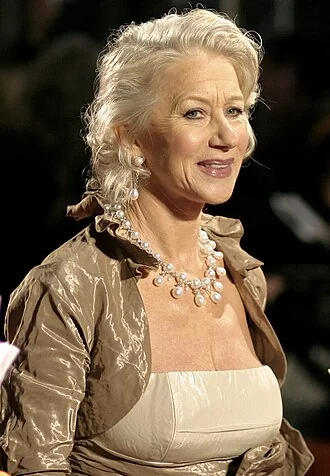
RED offered a different use for Mirren’s poise. Its retired operatives included her character Victoria, whose composure could sit beside extravagant action.
During a visit to the production, /Film asked producer Lorenzo di Bonaventura about her preparation. He confirmed that she had undertaken weapons training. He also described the film’s interest in people whom society was ready to put aside, giving its ensemble of older performers a shared purpose beyond the action itself.
For the viewer, part of the pleasure is the contrast between appearance and capability. Calm manners do not make a character harmless. The film lets that discovery become a joke, a surprise and a source of momentum.
It is also a useful reminder that an actor’s accumulated screen presence can be material for a new role. The audience brings expectations; a performance can recognise those expectations and then enjoy changing them.
F9: asking for the fun part
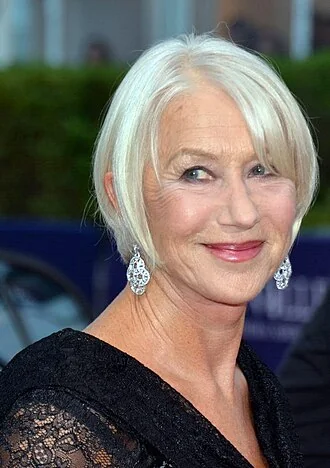
Mirren’s enthusiasm for Fast & Furious was personal: she wanted to drive. When she finally did so in F9, she had Vin Diesel beside her in the car.
Talking to Entertainment Tonight in 2021, she delighted in the experience of driving down The Mall in London. The production notes identify Queenie’s car as a Noble M600. Years of playing commanding figures had brought her to a rather different seat of power.
Her enjoyment is part of what makes the choice so appealing. An established reputation need not prescribe a solemn next step. A spectacular action film can offer a new task, an enjoyable collaboration and a chance to do something one has wanted to try.
That curiosity also keeps the career from becoming an orderly procession of grand historical figures. Georgina, Jane Tennison, Elizabeth II and Queenie Shaw can each draw on a commanding presence while giving it a distinct purpose.
The script that made her reconsider
The same Entertainment Tonight interview contains a quieter example of changing her mind. Discussing Solos, Mirren said that the prospect of a monologue initially looked like more work than she wanted. David Weil’s writing drew her in, particularly its understanding of an older woman’s perspective.
Put beside the driving story, it offers a pleasing pair of choices: one project promised an experience she already wanted, while another won her over through the words on the page.
That is a good place to return to Greenfingers. Georgina can seem so certain of her judgements. The actor behind her has repeatedly described a more exploratory process: looking carefully, listening to experience, testing a gesture or responding to writing that changes her mind. The certainty belongs to the character; the curiosity helps make the performance possible.