Making Greenfingers meant putting a fictional garden inside a real flower show. The plants had to look convincing beside genuine exhibits, while the actors had to make an unlikely group of gardeners feel like people who belonged together.
The project brought American filmmakers to English locations, paired experienced British performers with a story discovered in a newspaper, and gave its design department a deadline that flowers could not be expected to understand.
A newspaper article found the right producer
The starting point was Paula Deitz’s 1998 New York Times article, “Free to Grow Bluebells in England.” Travis Swords read the account of British prison gardeners and saw a feature film in it. He had already produced Joel Hershman’s debut, Hold Me, Thrill Me, Kiss Me, so there was an existing partnership to build on.
Hershman came to the project with a background that crossed theatre and film. Born in Brooklyn and raised in Los Angeles, he studied theatre at Carnegie Mellon before studying film at New York University. His first feature had taken him through the independent festival circuit. A story about prisoners entering the world of English show gardening would take his filmmaking into a different country and social setting.
That background is useful context for the finished film. Its central situation brings people from different worlds into the same space and asks the actors to make their encounters work. The humour can come from a look, an uncomfortable pause or somebody saying the wrong thing with complete confidence. The garden supplies the shared task around which those encounters gather.
Bringing the production together
Swords and Hershman joined forces with Daniel J. Victor of Boneyard Entertainment. Victor’s Motion Pictures Partners fund provided a financing framework, and Trudie Styler’s London-based Xingu Films came aboard. Overseas FilmGroup handled worldwide sales.
The British Council’s production record places the location shoot in summer 1999 and lists the budget as US$2 million. The filmmakers’ production notes describe a five-week shoot in the Cotswolds and Surrey.
Those dates explain why accounts of the film do not always seem to agree at first glance. A summer 1999 shoot, a catalogue year of 2000 and an American theatrical opening in July 2001 refer to different stages in the same film’s life.
The production also makes an interesting example of a film’s nationality being more complicated than its setting. American creative and financial involvement sat alongside a London production company, British performers and English locations. The English gardening world on screen was being approached through a collaboration across the Atlantic.
The actors behind the gardeners
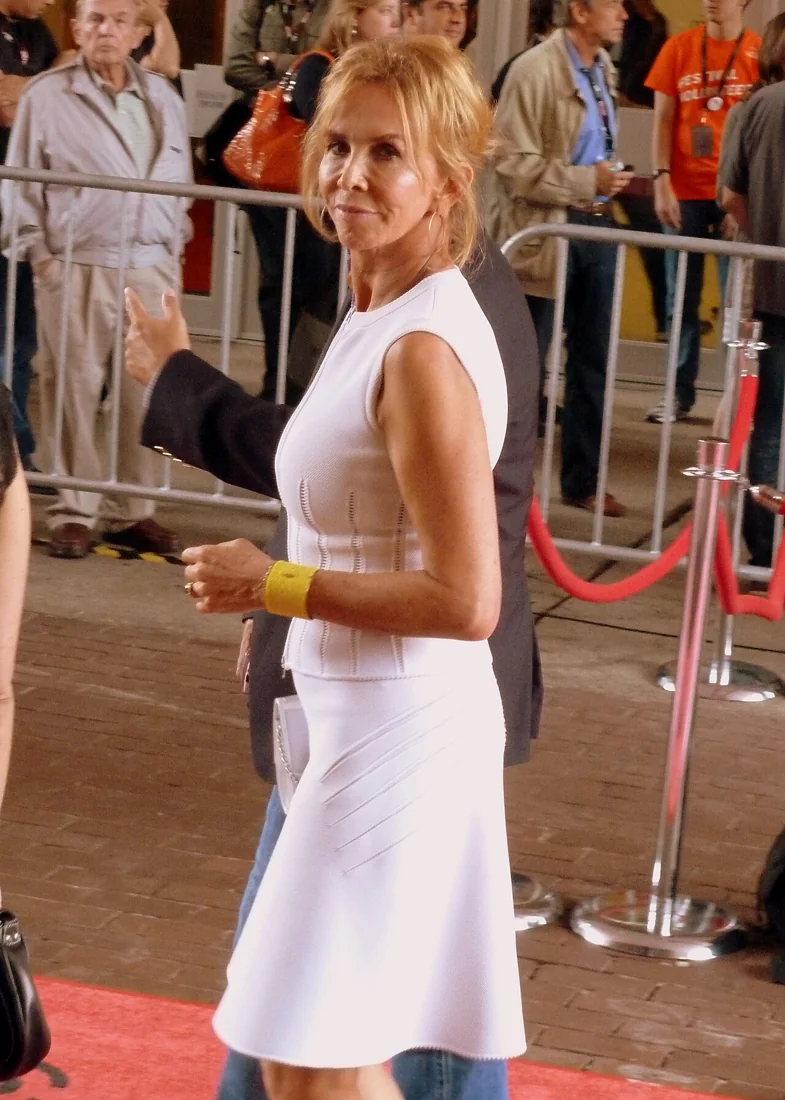
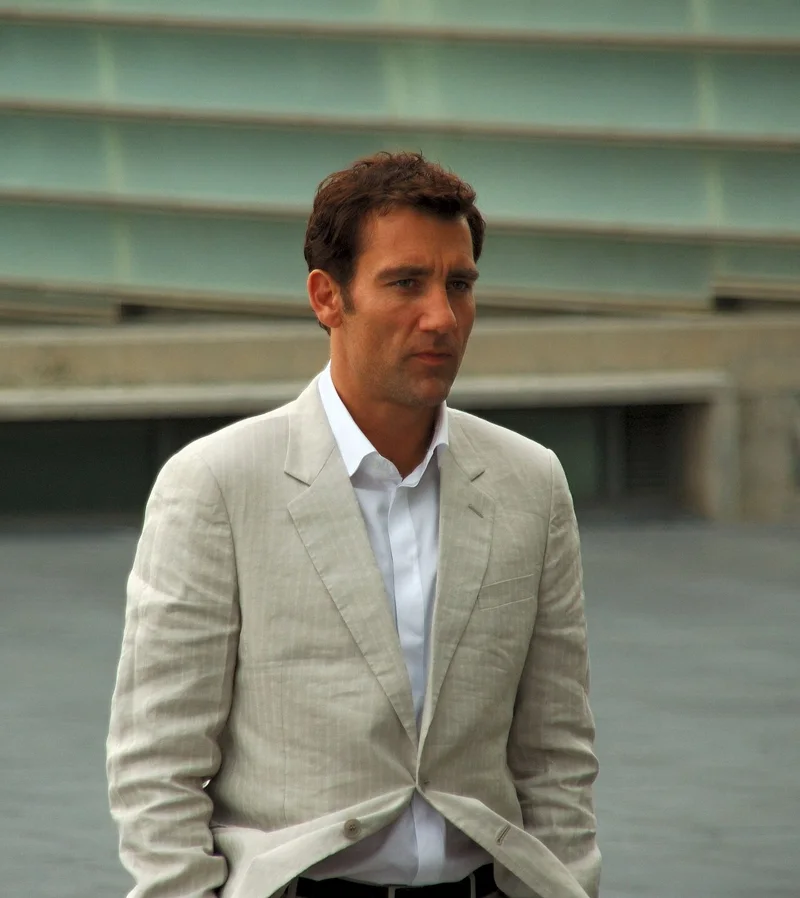
Clive Owen played Colin Briggs, David Kelly played Fergus Wilks, and Helen Mirren played Georgina Woodhouse. Natasha Little took the role of Primrose, while Warren Clarke played Governor Hodge. Danny Dyer, Adam Fogerty and Paterson Joseph completed the principal group of prisoners as Tony, Raw and Jimmy.
Casting director Michelle Guish assembled the company. Former boxer Fogerty was cast as Raw immediately after his audition.
That combination matters to the film’s balance. Colin’s guarded manner needs somebody to reach past it; Fergus supplies persistence and warmth. Georgina brings a different kind of energy, accustomed to having her expertise recognised. Around them, the other prisoners give the gardening project the friction and companionship of a group effort.
Owen’s approach was less horticultural than viewers might expect. Speaking to Wesley Morris in the San Francisco Chronicle, he admitted that gardening did not appeal to him. His priority was making Colin believable as a prisoner; the gardening came second. He also said that he had watched Birdman of Alcatraz several times, praising Burt Lancaster’s performance.
That is a revealing preparation detail. The flowers are what Colin learns to care for, but the performance has to make us understand the man who begins caring for them.
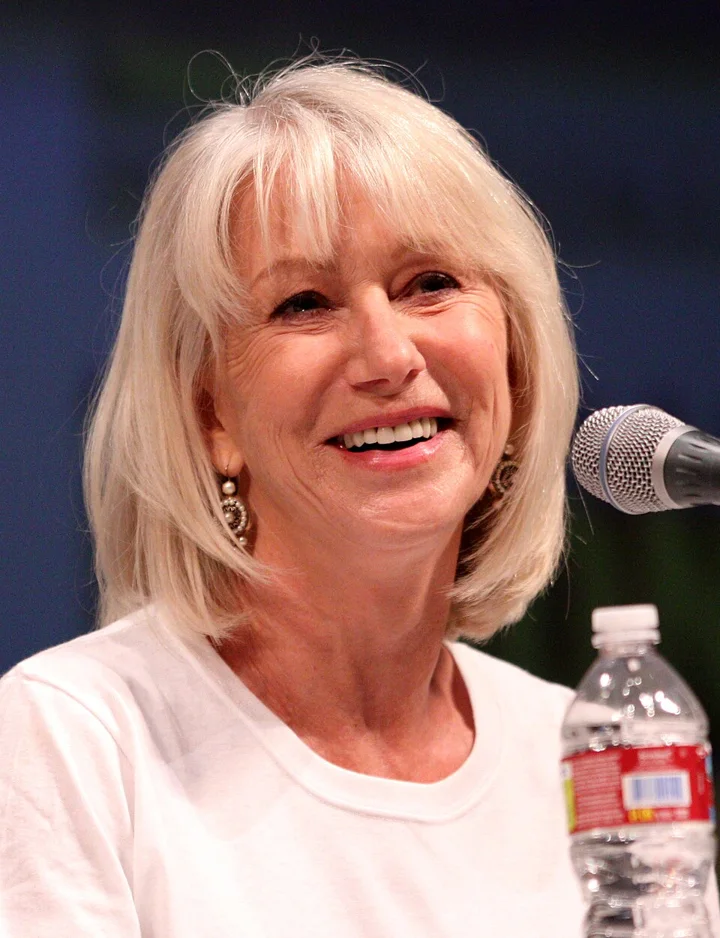
Mirren, by contrast, was already a keen gardener, as she explained to Robert Smaus in the Los Angeles Times.
The difference is pleasing: the actor playing the beginner did not share his character’s developing enthusiasm, while the actor playing the expert had a personal interest in plants. Neither fact turns a role into autobiography. It does give the performances an extra point of interest when watching the two characters negotiate their very different positions.
Turning a school into Edgefield
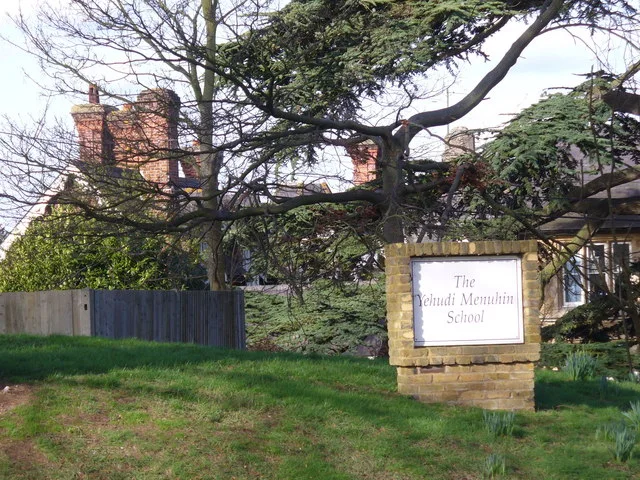
The Yehudi Menuhin School in Surrey became the principal prison location. Production designer Tim Hutchinson’s team added sheds and greenhouses and dressed an interior visiting area.
It is an economical piece of filmmaking to keep in mind when watching. An institution can suggest another institution without every part of it having to be rebuilt. A few carefully chosen details give the audience a way to understand the space and the routines imagined within it.
The buildings and the performances do different jobs here. The setting establishes a place of work and confinement; the actors make its relationships particular. Knowing that the location was a school draws attention to how much of a screen environment is created through selection and context.
A show garden with a film deadline
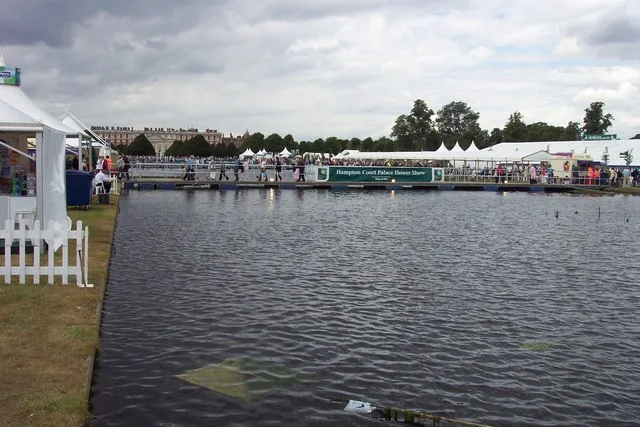
The crew spent a week filming at the actual Hampton Court Flower Show, with Royal Horticultural Society support. Hutchinson’s department had roughly six weeks to design and realise its garden: a motorway embankment with wildflowers and a crashed Morris Minor.
The design makes the film’s idea visible before anybody explains it. Flowers can draw the eye towards a place that might otherwise be dismissed. Putting that landscape among show gardens also asks the viewer to consider what makes something worthy of attention.
Styler remembered visitors mistaking the film’s garden for a competition entry. The illusion had worked: passers-by were judging the set as gardening.
The experience behind the camera
John Daly was the director of photography. His route to the film had begun with a teenage interest in spaghetti westerns and a small 16mm camera. He worked his way through the BBC, initially entering its film library, before becoming a trainee assistant cameraman in 1976.
By the time of Greenfingers, Daly had won BAFTAs for Persuasion and Far from the Madding Crowd and had left the BBC to work freelance. That experience connects this small feature to a substantial tradition of British television filmmaking, including literary drama and location work.
The principal creative credits also include Justin Krish as editor and Guy Dagul as composer. The garden’s visual effect is only one part of the finished film: cutting and music help turn work in a landscape into a story with its own pace and feeling.
Gardens appear effortless when a film invites us to enjoy the finished view. The production story gives that view another dimension. Alongside the performances were financing decisions, adapted buildings, camera work and living plants prepared for a particular week. The flowers may look spontaneous, but getting them in front of the camera was a collective undertaking.