For a viewer meeting David Kelly in Greenfingers, Fergus Wilks can seem reassuringly familiar before the connection quite comes into focus. Perhaps it is the builder from Fawlty Towers, the friend caught up in the lottery scheme in Waking Ned, or, for a younger audience, Grandpa Joe in Charlie and the Chocolate Factory.
Those recognitions lead into a much larger working life. Kelly brought substantial theatre experience to the camera, including the demanding solitude of Samuel Beckett’s Krapp’s Last Tape. His stories also reveal a man who painted watercolours, treasured the writing of a good script and could find an affectionate joke in being looked after by a child co-star.
Fergus: a small gesture with a long reach
In Greenfingers, Kelly plays the older prisoner who reaches towards Clive Owen’s withdrawn Colin. The gift of seeds gives their relationship a practical beginning: Fergus offers something small that Colin can initially dismiss, then eventually care for.
It is a role in which warmth has to emerge through persistence. Fergus cannot force another person to accept friendship. Kelly gives him enough curiosity and determination to keep trying, letting the audience feel the difference between being left alone and being quietly included.
That makes the character more useful to the film than a dispenser of advice. Fergus gives Colin somebody to respond to. Gardening becomes a shared activity through which attention can pass between them before Colin is ready to express much of it in words.
There is also an interesting contrast between the image and the actor’s working history. The seemingly fragile older man was being played by a performer accustomed to sustaining an audience’s attention on stage, sometimes with nobody else beside him.
The actor beyond the television repeats
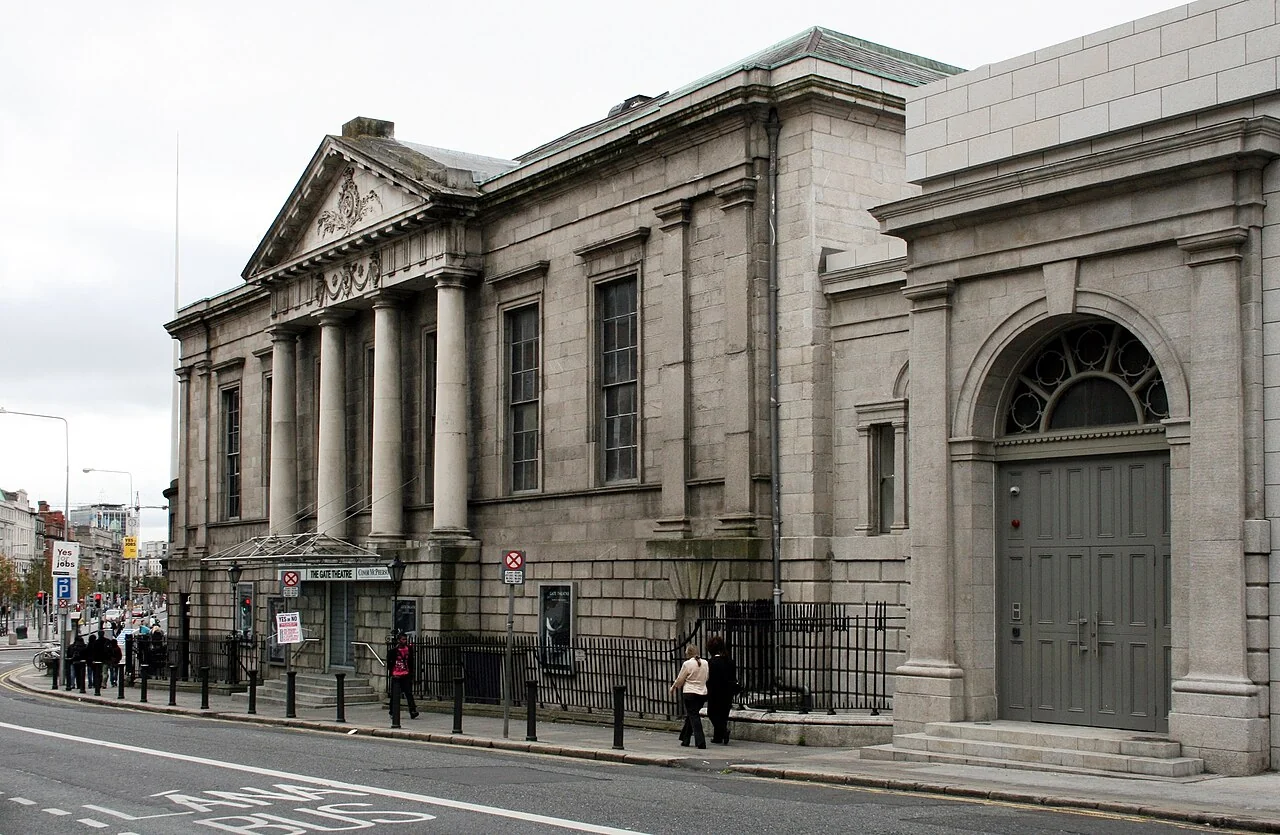
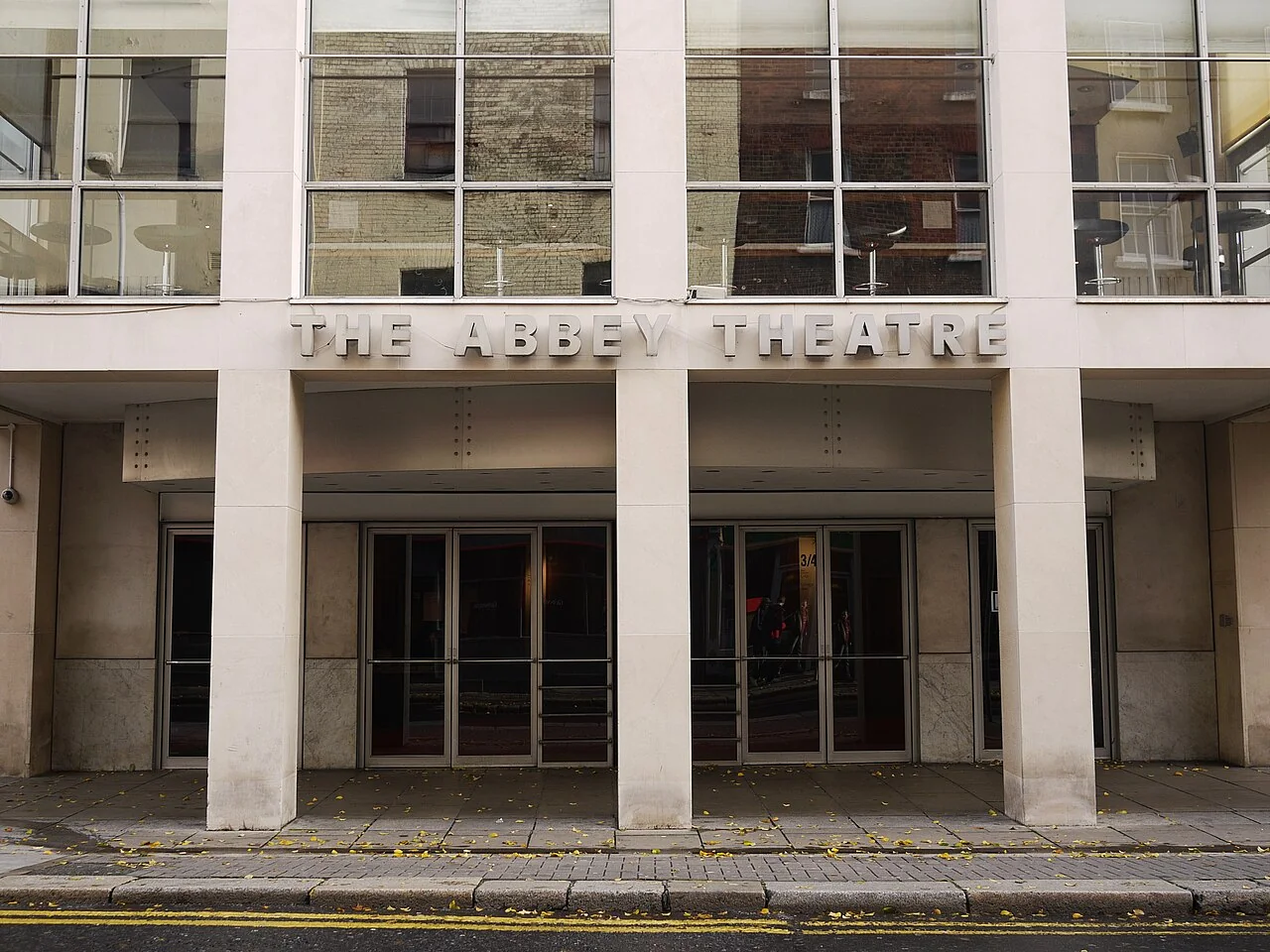
Kelly trained at the Abbey Theatre School in Dublin. His stage work included the original 1954 production of Brendan Behan’s The Quare Fellow, and he later performed Krapp’s Last Tape in cities ranging from Dublin to Chicago, New York and Melbourne.
Beckett’s play remained particularly important to him. In a 2005 RTÉ interview, Kelly described it as his favourite piece and spoke of how deeply it moved him.
That affection suggests a useful way to look beyond the familiar comic face. An audience may remember the moment that made it laugh, while an actor carries a much wider store of rhythms, situations and emotional demands into the next job.
The theatre and television performances need not be placed in a hierarchy. They ask for different kinds of concentration. A sitcom entrance can depend on exact timing; a solitary stage role has to sustain a relationship with the audience for much longer. Kelly’s career allowed those demands to coexist.
O’Reilly and the audience that did not laugh
Kelly’s builder O’Reilly in Fawlty Towers demonstrates how a short appearance can become a durable part of an actor’s public identity. But the recording did not feel like an obvious triumph to everybody present.
On The Late Late Show in 1988, Kelly recalled that the cast had found the scenes enormously funny in rehearsal. The studio audience, which he remembered as including two coachloads of Icelandic tourists, seemed much less amused. RTÉ’s archive preserves his account of that contrast.
It is a good story to keep beside the polished result. A performance can have a long life after the moment in which it was made, and the immediate response in a studio is only one part of that life.
It also gives a different perspective on recognition. The viewer may know exactly which appearance made an actor memorable to them. The actor remembers rehearsals, colleagues and an unexpectedly difficult room. Both experiences belong to the same few minutes of television.
Waking Ned: friendship was already on the page
Waking Ned gave Kelly an international film audience as Michael O’Sullivan, alongside Ian Bannen. Its lottery scheme supplied the plot, but the relationship between the two old friends supplied much of the pleasure.
In a joint interview with writer-director Kirk Jones for Fresh Air, Kelly told Barbara Bogaev that he had not needed a particular real-life friendship as a model. The relationship was there in the writing. He saw the adventure as an opportunity for two men who had grown old together to enjoy something of childhood’s freedom.
Jones also described resisting a proposed version relocated to Canada with Jack Lemmon and Walter Matthau. He admired those actors, but felt that such a change would turn it into their film. Preserving the project meant preserving the people and setting at its centre.
The film’s Irish village was actually created on the Isle of Man, with Cregneash supplying its village setting. It is another reminder that screen familiarity is constructed: a place can suggest a whole shared history, just as two actors can suggest decades of friendship.
And then there is Kelly’s naked motorcycle ride, a very different kind of entrance into an audience’s memory. It sits rather delightfully beside the patience and stillness required by Beckett. One career had room for both.
Grandpa Joe, his father and a helpful young actor
Playing Grandpa Joe in Tim Burton’s Charlie and the Chocolate Factory brought Kelly another route into viewers’ affections. The personal starting point was unexpectedly specific: he had never known his grandparents, so he drew on his father, Ned, whose serenity he admired.
There was a pleasing reversal during filming. Kelly’s character accompanies Charlie into the factory, but Kelly remembered Freddie Highmore keeping an eye on him. In an interview collected by IndieLondon, he recalled the young actor offering an arm to lean on when needed. He was happy to accept.
The story makes the collaboration more vivid than a general statement about a friendly set. A child playing somebody in need of guidance could also be attentive to an older colleague. Their relationship had room for care to move in both directions.
Kelly also remembered sharing the grandparents’ bed with the other performers for weeks of filming. A fantastical screen household required the ordinary experience of spending long stretches together in a very small space. He could talk about that work with the same amusement that he brought to the finished character.
The paintings that paid for a holiday
Away from acting, Kelly painted watercolours. In his RTÉ interview, he recalled his wife’s joke that they owned an enormous collection of his work. An exhibition changed that: the pictures sold, and the proceeds funded a holiday in South Africa.
It is a modest story, but it gives the portrait another texture. The performer recognised from television repeats also had an activity that accumulated quietly at home, until it became an exhibition and then a journey.
Returning to Fergus after these stories, the familiar face carries more associations. There is the theatre actor who loved Beckett, the comedian remembering a silent studio, and the screen grandfather accepting help from a boy. Kelly could make a brief encounter feel as though the person had existed long before the camera arrived. In Greenfingers, that quality gives Colin’s first friendship room to take root.