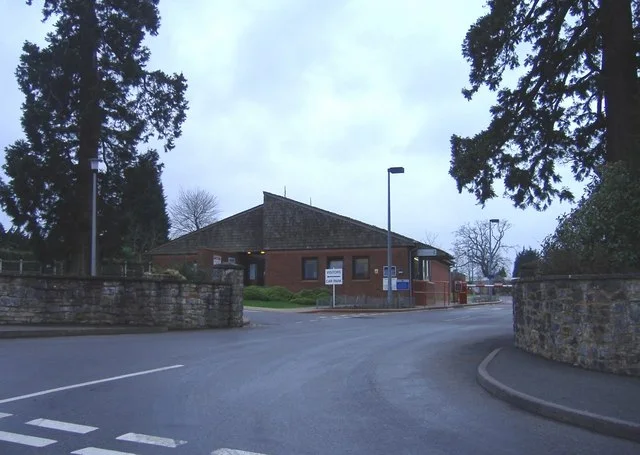
Before Greenfingers became a film starring Clive Owen and Helen Mirren, prisoners at HMP Leyhill were making a name for themselves in British gardening. Their work reached major flower shows and earned medals, taking skills developed inside a prison into a very public setting.
That achievement supplied the starting point for Joel Hershman’s film. A newspaper article brought the gardeners to the attention of a producer; the screen story then gave the premise fictional characters, friendships and romance. The real history belongs to a longer-running enterprise involving prisoners, staff and the demands of professional show gardening.
Leyhill: the real prison behind the story
HMP Leyhill is an open prison for men near Wotton-under-Edge in Gloucestershire. The name on screen is Edgefield, but Leyhill is the institution whose gardeners inspired the film.
The distinction matters because it keeps the real setting in view. Leyhill’s gardening was part of the life and work of a functioning prison. Its horticultural activity extended beyond preparing an eye-catching entry for a competition. Gardens and growing spaces provided work, practical experience and opportunities to learn.
That connection remains visible in the prison’s own description of its education and employment provision. Farm and garden work, including the market garden, appear among the areas where prisoners can gain experience and qualifications. The show gardens grew out of a setting in which caring for land and plants had an everyday purpose.
There is a useful change of scale here. A flower show offers a brief moment when a finished garden is inspected by judges and admired by visitors. The work behind it depends on all the less visible stages: growing, preparing, constructing and keeping things alive until the display is ready.
The medals came before the movie
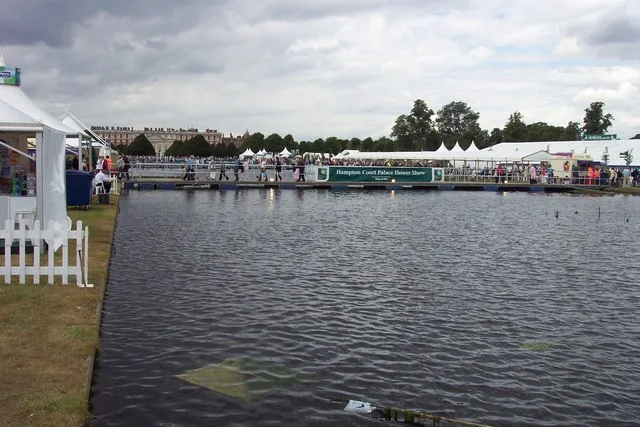
Leyhill’s competition history was already established before Hollywood took an interest. Its Chelsea record included a silver-gilt medal in 1991. A gold medal at Hampton Court followed in 1998, one of the achievements associated with the inspiration for Greenfingers.
Chelsea and Hampton Court are separate shows. Both belong in accounts of Leyhill’s gardening history, while Hampton Court is the competition at the centre of the film. Keeping the two distinct makes the real story easier to follow.
An award also changes the terms on which a garden is discussed. The workmanship, planting and design have to stand up to examination. For a prison team, taking part brings its work into the same public conversation as that of other exhibitors.
The attraction of the story is easy to understand: a group whose lives are usually described through confinement becomes known for something it has made. The garden gives visitors a reason to look closely at an achievement they might otherwise never encounter.
From a newspaper article to a screenplay
The crucial connection to the film was Paula Deitz’s 1998 New York Times article, “Free to Grow Bluebells in England.” Producer Travis Swords read it and recognised the possibilities of the prisoners’ gardening story.
Swords had already worked with writer-director Joel Hershman on Hold Me, Thrill Me, Kiss Me. The Leyhill article offered material for their next feature, and they subsequently joined forces with producer Daniel J. Victor. A story about real gardening achievements became the basis for a film built around one prisoner’s discovery of a new purpose.
The newspaper title captures something of the premise’s appeal. Growing flowers is an ordinary activity, yet the word “free” takes on an additional meaning when the gardeners are prisoners. It invites a question the film also explores: how much room can a person find for choice, care and creativity while serving a sentence?
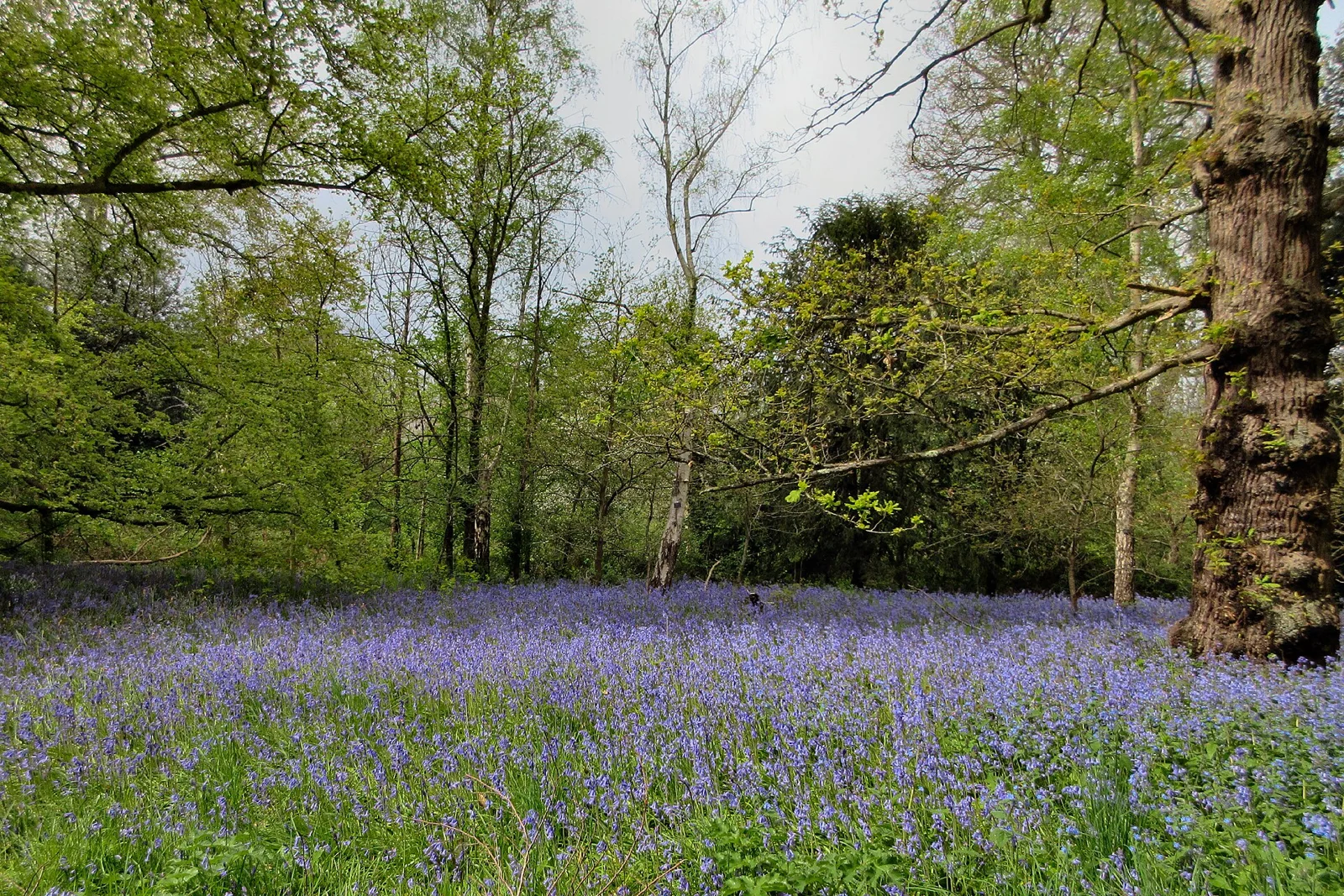
The bluebells of the article’s title should also be distinguished from the violets Colin plants in the film. The title identifies the published story that prompted the production; it is not a description of every event later written into the screenplay.
The people and work behind the displays
Jeff Goundrill, Leyhill’s estates and gardens manager, was a central figure in its show-garden work. His name helps restore a practical human presence to a story that is often reduced to the film’s famous cast.
A later Leyhill project gives a particularly clear picture of what the work could involve. At Chelsea in 2004, The Garden of Hope, designed by Goundrill, involved prisoners throughout the process: planning, drawings, construction and planting.
Its central image was a damaged cottage in a landscape marked by conflict. A crater became a water feature, while planting suggested nature recovering ground. The design used physical things to tell a story about damage and renewal, an idea that also runs through Greenfingers.
The date is important. This was a later chapter in Leyhill’s gardening history, after the film had been made. It shows that the prison’s work had an existence beyond the episode that caught a producer’s attention.
It also broadens the idea of what the participants contributed. A display garden needs more than flowers. There are decisions about layout, structures, materials and the route through the space. The finished result holds those different kinds of work together, even when the visitor notices the planting first.
How the real story became Greenfingers
The film’s distributor describes Greenfingers as a fictional tale inspired by real gardening exploits. Colin Briggs, Fergus Wilks, Georgina Woodhouse and the Edgefield storyline belong to that dramatisation. Their personal histories should not be treated as documented biographies of the Leyhill team.
The screenplay concentrates attention on relationships that an audience can follow: an older prisoner’s encouragement, the discovery of an unexpected ability, and the possibilities that open when other people recognise it. Those choices give the film its shape, while the real programme involved a changing group of people and work continuing across years.
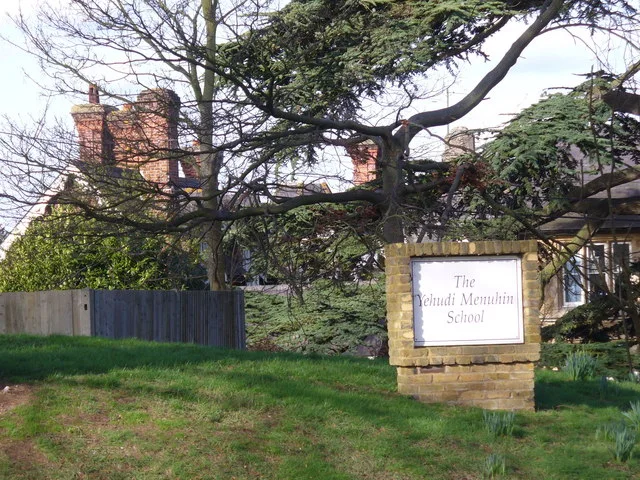
Even the prison the audience sees belongs to the production’s construction of the story. The Yehudi Menuhin School in Surrey supplied the principal setting for Edgefield. It is a different place from the real Leyhill in Gloucestershire.
The real achievement is strong enough to stand alongside the fiction. Prisoners developed gardens that could be presented and judged in public. Their work travelled beyond the institution, and a journalist’s account carried it to readers who included a filmmaker.
A story that continued after the credits
Leyhill’s gardening history did not end with the release of Greenfingers. In an account of a July 2025 National Garden Scheme open day, George Plumptre described visitors being shown around by the prisoner gardening team and their supervisors.
He found gardens distributed through the grounds, a productive kitchen garden and established commemorative trees. Some of the gardeners spoke of wanting to continue in horticulture after release. The visit offered a view of activity still taking place decades after the newspaper story that inspired the film.
That later account brings the focus back to the gardeners themselves. Medals and a feature film are conspicuous milestones. The continuing work is quieter: looking after growing spaces, developing an interest and being able to explain that work to somebody from outside.
The lasting connection between Leyhill and Greenfingers lies in that opportunity to be seen doing something well. The screen story gives it the form of a comedy and a romance. The real history can be traced through the gardens, the people who made them and the recognition their work earned.